#4Politics & worldGlobal
US to Mediate Ukraine-Russia Peace Talks in Abu Dhabi Nov 10-11
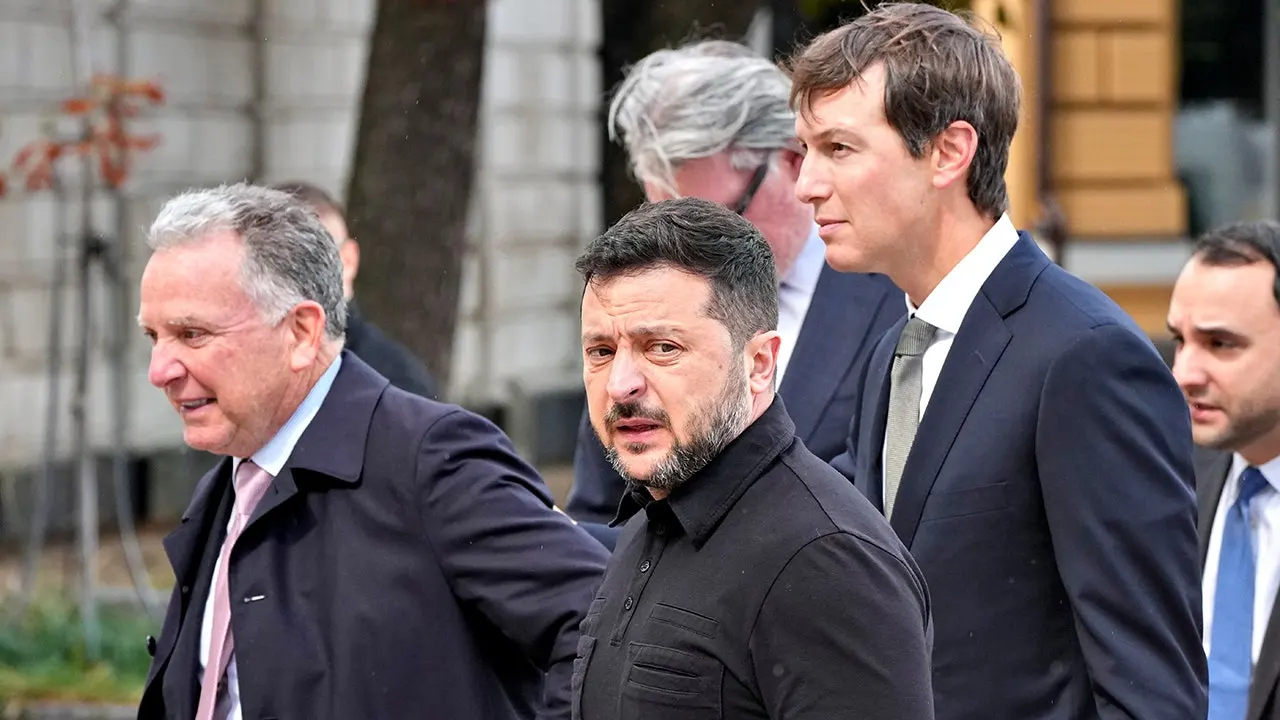
Key facts
- US envoy Steve Witkoff announced Nov 10-11 Abu Dhabi talks led by him and Jared Kushner after Putin agreed post-St. Petersburg meeting (Reuters, Nov 2 2026).
- Discussions target post-war security, humanitarian measures, and peace steps; sides 'remain far apart' on core terms like territory (Fox News, Guardian).
- Witkoff and Jared Kushner expected to lead US side in Abu Dhabi; Brussels meetings this week involve NATO and key Europeans on reconstruction funding.
- Recent localized ceasefires and prisoner exchanges suggest limited de-escalation is achievable even if full peace remains distant.
- War now in fifth year; global ripple effects include elevated food and energy prices particularly felt in Africa and Asia.
- Direct voices: "The United States will mediate working-level negotiations between Ukraine and Russia on November 10–11 in Abu Dhabi, advancing President Trump’s mission to end the war." – Steve Witkoff on X
The views
State media Side A
Russia ready for serious talks on root causes and security
- Putin promptly agreed to the trilateral Abu Dhabi format after constructive St. Petersburg meeting with Witkoff.
- Russia seeks comprehensive post-war security that neutralizes NATO threat to its borders.
- Ukrainian maximalist demands and continued strikes show insufficient seriousness from Kyiv.
- Lavrov notes it is unclear what position Ukraine will bring to table
- Emphasizes need to address 'root causes' and Russian interests for just peace
- Frames US engagement as recognition of battlefield realities
- Leaves out scale of Russian territorial gains or civilian impact of its strikes
State media Side B
Talks must protect Ukraine sovereignty and involve Europe
- Announcement occurs against backdrop of continued Russian attacks killing civilians in aid centers.
- Any agreement requires ironclad security guarantees and cannot simply freeze current lines.
- Europe must participate directly in shaping post-war security architecture.
- Zelensky insists on funding for Ukrainian army for 10 years post-deal
- Highlights previous rounds stalled and wide gaps on territory
- Notes Trump pressure on Kyiv while Russia refuses full ceasefire
- Stresses inclusion of EU/NATO in Brussels parallel track
Independent Side A
Trump diplomacy finally brings parties to negotiate
- US envoys' recent visits to Moscow and Kyiv produced agreement on resuming talks in neutral Abu Dhabi.
- Agenda focused on de-escalation and humanitarian steps can deliver relief before harsh winter.
- Success would ease global commodity pressures and fulfill pledge to end the grinding conflict.
- Portrays Witkoff/Kushner role as effective high-level mediation
- Notes Putin agreement after direct meeting as positive signal
- Highlights potential for post-war security framework and reconstruction
- Less emphasis on specific Ukrainian territorial losses
Independent Side B
Sides far apart; risks pressuring Ukraine into bad deal
- Despite dates set, fundamental disagreements on territory, neutrality and guarantees persist.
- Recent deadly Russian strikes on civilian targets undermine claims of serious peace intent.
- Ukraine needs genuine leverage and European-backed guarantees rather than rushed US mediation.
- Zelensky stresses only leaders can decide territorial issues
- Reports intelligence of imminent new Russian attacks on energy
- Recalls February talks produced little before stalling
- Questions whether US will prioritize ending war over Ukrainian victory
X
Posts from both sides
- Side A: Witkoff announcement marks real progress after years of stalemate and massive casualties.
- Side B: Russia agrees to talks only while advancing on ground and striking cities.
Side A: Trump administration and Russia say urgent US-mediated negotiations can achieve de-escalation, post-war security guarantees, and end the unsustainable war now.
- Witkoff announcement marks real progress after years of stalemate and massive casualties.
- Direct US involvement outside Europe offers best chance to force compromise.
- Ending fighting now prevents worse winter suffering and global economic damage.
- Users widely quote and repost Witkoff's exact X statement
- Praise UAE venue as pragmatic neutral ground
- Contrast with previous administrations' approach of indefinite support
- Some argue continued war only benefits defense contractors
Side B: Ukraine and supporting European voices say talks must deliver full security guarantees, cannot legitimize Russian territorial gains, and require stronger leverage first.
- Russia agrees to talks only while advancing on ground and striking cities.
- Freezing conflict without full withdrawal sets dangerous precedent for aggressors.
- True security for Ukraine and Europe cannot come from US pressure to concede land.
- Highlight ongoing Russian attacks during 'peace' push
- Reference past broken agreements like Minsk
- Call for sustained military aid until stronger negotiating position
- Express distrust in Putin intentions given history
Most likely true
The talks are confirmed and scheduled as announced by senior US officials, with both Russia (via Putin meeting) and Ukraine (via Zelensky statements) agreeing to participate.
Deep divisions persist over territory, neutrality, and security guarantees, making major breakthroughs in one round unlikely, though limited humanitarian or sectoral deals remain possible.
- Announcement is factual and corroborated by US, Russian, and Ukrainian statements; talks will occur.
- Historical pattern shows multiple prior rounds produced only limited humanitarian progress, not comprehensive peace.
- Trump administration prioritizes swift resolution over maximal Ukrainian territorial recovery.
- Winter adds urgency as both energy infrastructure and troop conditions deteriorate.
Grey areas
- Exact red lines and specific proposals each delegation will table in Abu Dhabi
- Whether battlefield developments or recent strikes will derail momentum before or during the talks
- Russia continues strikes (e.g. deadly aid center bombing) even while agreeing to talks, raising questions about sincerity.
- Exact US leverage—sanctions relief, security guarantees format, or territorial suggestions—remains opaque.
- Europe's role is acknowledged in Brussels track but unclear if they can veto or amend any US-brokered bilateral understanding.
Still curious? Ask about this story
Grok checks every side again and answers with sources.
Popular questions
Ask anything about this story. It's free with an account, 1 a week.
Coverage
10 sources · 6 countries
- State-funded 3
- Independent 6
- X / on the ground 1
GBRUUSINUADE
All sources
- Firstpost‘US to mediate Ukraine-Russia talks in Abu Dhabi on Nov 10-11’: WitkoffIndependent
- ReutersUS to mediate trilateral talks with Ukraine, Russia in Abu Dhabi next week, US envoy saysIndependent · United Kingdom
- Fox NewsWitkoff says US will mediate Ukraine-Russia peace talks in Abu DhabiIndependent · United States
- The GuardianUkraine war briefing: US to mediate talks with Kyiv and Moscow in Abu Dhabi next week, says WitkoffIndependent · United Kingdom
- The Economic TimesUS to hold trilateral talks with Ukraine, Russia in Abu Dhabi next weekIndependent · India
- TASSЛавров: неизвестно, с чем Украина сядет за стол переговоров в Абу-ДабиState-funded · Russia
- РИА НовостиУшаков: трехсторонние переговоры по Украине пройдут в ноябре в Абу-ДабиState-funded · Russia
- Kyiv IndependentWitkoff reveals location, date for new trilateral peace deal negotiationsIndependent · Ukraine
- Deutsche WelleRussia, Ukraine agree to US-brokered, 1 city ceasefireState-funded · Germany
- @BarakRavidUS will host second high-level trilateral meeting between Ukraine and Russia in Abu DhabiX / on the ground