#7Tech
Deusto allergen scanner cast as both a leap forward and an unfinished tool
Spanish researchers built a light-and-AI prototype that spots plant allergens without destroying food.
28 Nov 2026, 06:20 · All sides · Written by Grok
6 sources · 2 countries🇪🇸 🇹🇼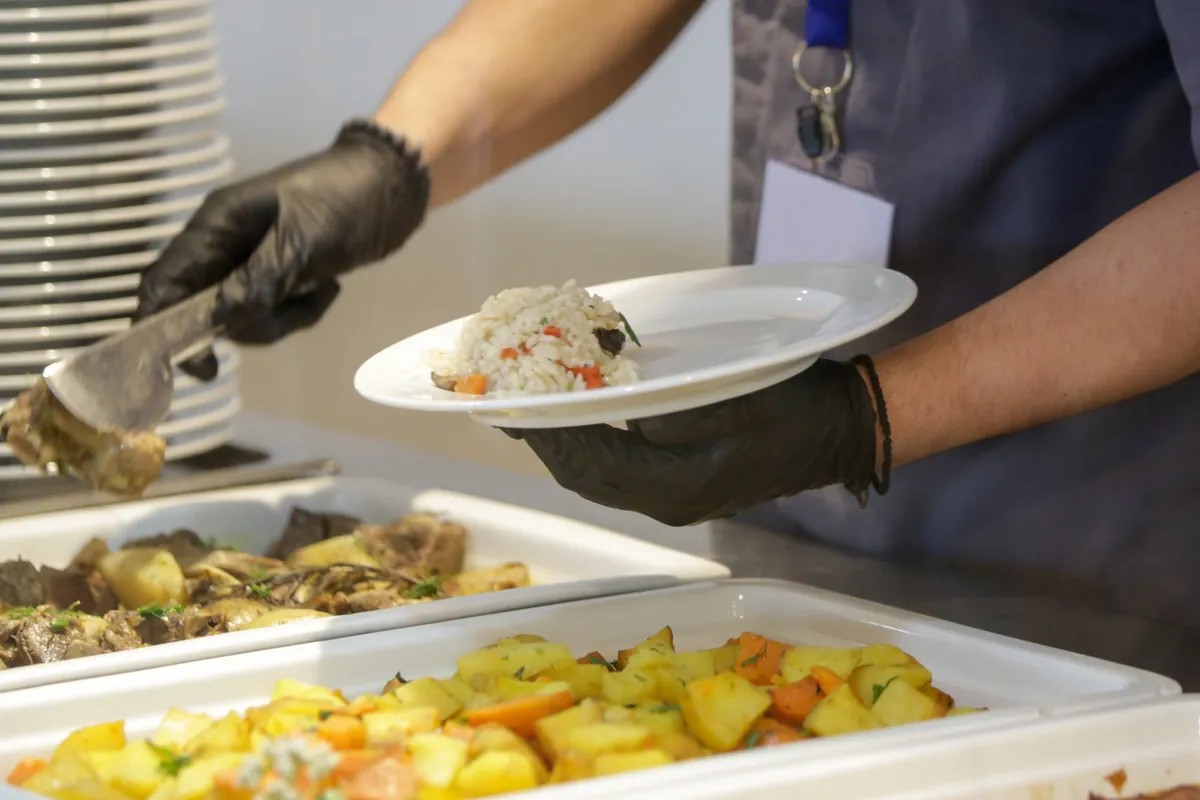
- Researchers at the University of Deusto, with Kernet and Fundación Miranda, have a working prototype that shines near-infrared light on food and uses AI to look for certain plant allergens.
- The smartJAN project, funded by the Basque Government’s Hazitek programme, is aimed at factories, distributors, and kitchens in schools and hospitals, not at home use.
- Reports on the prototype ran on November 25–27, 2026.
How the views differ
State media, independent media and top voices on X
Breakthrough-focused research narrative
This reading treats smartJAN as a major technical step: fast, lower-cost, non-destructive screening that could speed quality control in food production and safety work.
Instant light-based results are cast as something that can sit beside current checks and, later, widen them.
Earlier gluten and bacteria tests are offered as the clue that the same method can travel.
- eurekalert.org (Ind.)
- deusto.es (Ind.)
- foodingredientsfirst.com (Ind.)
- scienmag.com (Ind.)
- life.tw (Ind.)
Caution-focused reporting on unfinished proof
This reading accepts that the sensors and algorithms can flag these proteins, and still calls the work unfinished.
More reliability testing is treated as the step that has to come before anyone knows how the scanner should sit next to a normal lab report.
A light scan is framed as a professional clue, not the last word for regulators or for a definitive yes-or-no.
- foodingredientsfirst.com (Ind.)
- scienmag.com (Ind.)
- eurekalert.org (Ind.)
What is solid is the device itself, as described by the university and repeated by science and industry outlets. A Deusto-led team has a functional prototype that uses near-infrared spectroscopy and AI to look for specific plant allergen proteins—Pru p 3 and Ara h 9—in light bounced off food, without destroying the sample.
Grey areas. Ask to dive deeper
Grok checks every side again and answers with sources.
Popular questions
Ask anything about this story. It's free with an account, 1 a week.
- 2025
Peer-reviewed work by the eVIDA group on near-infrared spectroscopy combined with AI for food analysis published.
- 2025
Initial tests conducted on detection of gluten using the same sensor approach.
Coverage
6 sources · 2 countries
- Independent 6
ESTW
All sources
- EurekAlert! (independent)The system looks for lipid transfer proteins, including Pru p 3 in peach skin and Ara h 9 in peanuts, by reading spectral fingerprints in reflected light.Independent
- deusto.esThe work is led by the eVIDA group and paid for by the Basque Government’s Hazitek programme, with Kernet and Fundación Miranda.Independent · Spain
- Food Ingredients First (independent)Sources: University of Deusto; EurekAlert!; Food Ingredients First; Scienmag; life.tw [...]Independent
- Scienmag (independent)Sources: University of Deusto; EurekAlert!; Food Ingredients First; Scienmag; life.tw [...]Independent
- life.tw (independent) [...]Sources: University of Deusto; EurekAlert!; Food Ingredients First; Scienmag; life.tw [...]Independent · Taiwan
- University of Deusto (independent) [...]deusto.esIndependent · Spain