#7Tech
BepiColombo reaches Mercury orbit: triumph in one telling, unfinished risk in another
The stacked ESA-JAXA craft fired for 37 minutes and entered orbit around Mercury.
22 Nov 2026, 06:22 · All sides · Written by Grok
16 sources · 1 country🇬🇧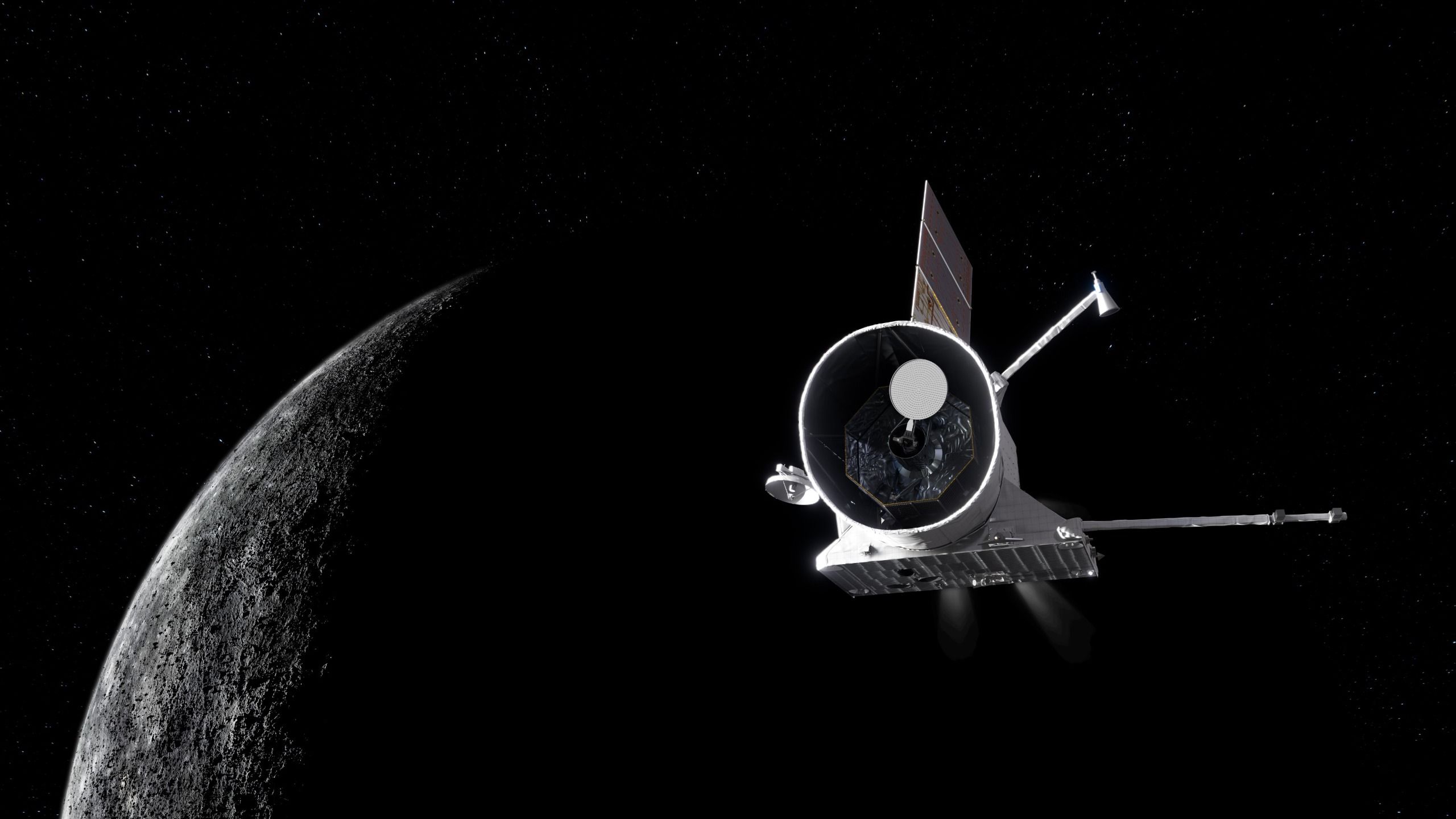
- On 21 November 2026 the joined BepiColombo craft fired its chemical thrusters for 37 minutes and entered orbit around Mercury.
- Mercury is far enough that a radio signal takes about 11 minutes, so engineers could not steer the burn while it happened; the spacecraft followed instructions already stored on board.
- The firing worked, which means the mission can move on to splitting its two orbiters — the step that has to succeed before any main science can reach people on Earth.
How the views differ
State media, independent media and top voices on X
celebration of international engineering resilience
After gravity assists across eight years, and after a thruster fault that pushed arrival back, the craft still made orbit.
In this telling the delay did not undo the plan; the successful burn shows the plan could bend and still finish the hardest step, opening a two-craft study of Mercury that no earlier mission has flown.
- nature.com (Ind.)
- esa.int (Ind.)
- newscientist.com (Ind.)
- space.com (Ind.)
- theguardian.com (Ind.)
- skyandtelescope.org (Ind.)
- eos.org (Ind.)
caution about single-point risk and delay
These accounts accept the orbit and still argue the mission reached it with almost no spare margin.
The burn had to match a program no one could patch in real time.
A miss would have ended capture for good, and the results people are waiting for are still months away.
- techtimes.com (Ind.)
- iflscience.com (Ind.)
- spacetracker.live (Ind.)
The insertion itself is the settled fact. ESA reported success from telemetry after the burn, and Nature, Space.com, Eos, New Scientist, and ESA materials all carry that result, including the initial orbit of about 590 by 11,640 km. The craft is the second to orbit Mercury. The roughly 11-month delay after a 2024 thruster power problem is consistently reported; those outlets are relaying the mission account, not publishing a separate engineering investigation here.
Grey areas. Ask to dive deeper
Grok checks every side again and answers with sources.
Popular questions
Ask anything about this story. It's free with an account, 1 a week.
- October 2018
BepiColombo launched.
- 2024
BepiColombo experienced a thruster power problem.
Coverage
16 sources · 1 countries
- Official 1
- State-funded 1
- Independent 14
GB
All sources
- nature.comThe burn started at about 18:24 UTC and left the still-stacked craft in an elliptical polar orbit of roughly 590 by 11,640 km. Nature Space.comIndependent
- space.comThe burn started at about 18:24 UTC and left the still-stacked craft in an elliptical polar orbit of roughly 590 by 11,640 km. Nature Space.comIndependent
- eos.orgIt is only the second spacecraft to orbit Mercury, after NASA’s MESSENGER. Eos New ScientistIndependent
- newscientist.comIt is only the second spacecraft to orbit Mercury, after NASA’s MESSENGER. Eos New ScientistIndependent · United Kingdom
- esa.intEurope’s MPO and Japan’s Mio are planned to separate on 9–10 December 2026; MPO’s final science orbit is set for about March 2027, with science operations from April 2027. ESAOfficial
- esa.intSources: ESA; Nature; New Scientist; Space.com; The Guardian; Sky & Telescope; EosState-funded
- The Guardian (independent)Sources: ESA; Nature; New Scientist; Space.com; The Guardian; Sky & Telescope; EosIndependent · United Kingdom
- Sky & Telescope (independent)Sources: ESA; Nature; New Scientist; Space.com; The Guardian; Sky & Telescope; EosIndependent
- Sources“The November 21 burn is the last open variable in an eight-year journey… If MPO’s four 22N chemical thrusters do not perform as pre-programmed… the mission will continue past the planet on a heliocentric trajectory with insufficient propellant remaining for a second capture attempt.” — TechTimes, on the risk before the burn TechTimesIndependent
- SourcesSources: TechTimes (independent) (pre- and peri-insertion analysis); IFLScience (independent) (notes delay and closer flyby risks); SpaceTracker (independent) (details phased arrival and challenges); no strong named X voices identified on this framing after searches.Independent · United Kingdom
- SourcesSources: TechTimes (independent) (pre- and peri-insertion analysis); IFLScience (independent) (notes delay and closer flyby risks); SpaceTracker (independent) (details phased arrival and challenges); no strong named X voices identified on this framing after searches.Independent
- Nature (independent)Sources: ESA (independent/European agency) ; Nature (independent) ; New Scientist (independent) ; Space.com (independent) ; The Guardian (independent) ; Sky & Telescope (independent) ; Eos (independent) .Independent
- New Scientist (independent)Sources: ESA (independent/European agency) ; Nature (independent) ; New Scientist (independent) ; Space.com (independent) ; The Guardian (independent) ; Sky & Telescope (independent) ; Eos (independent) .Independent · United Kingdom
- Space.com (independent)Sources: ESA (independent/European agency) ; Nature (independent) ; New Scientist (independent) ; Space.com (independent) ; The Guardian (independent) ; Sky & Telescope (independent) ; Eos (independent) .Independent
- eos.orgSources: ESA (independent/European agency) ; Nature (independent) ; New Scientist (independent) ; Space.com (independent) ; The Guardian (independent) ; Sky & Telescope (independent) ; Eos (independent) .Independent
- techtimes.comSources: TechTimes (independent) (pre- and peri-insertion analysis); IFLScience (independent) (notes delay and closer flyby risks); SpaceTracker (independent) (details phased arrival and challenges); no strong named X voices identified on this framing after searches.Independent