#6Business
UK and EU lock in food, carbon and youth deals as reset claims meet sovereignty warnings
Three Brussels deals are agreed, but the billion-pound gains are still estimates.
21 Nov 2026, 06:21 · All sides · Written by Grok
11 sources · 3 countries🇬🇧 🇺🇸 🇶🇦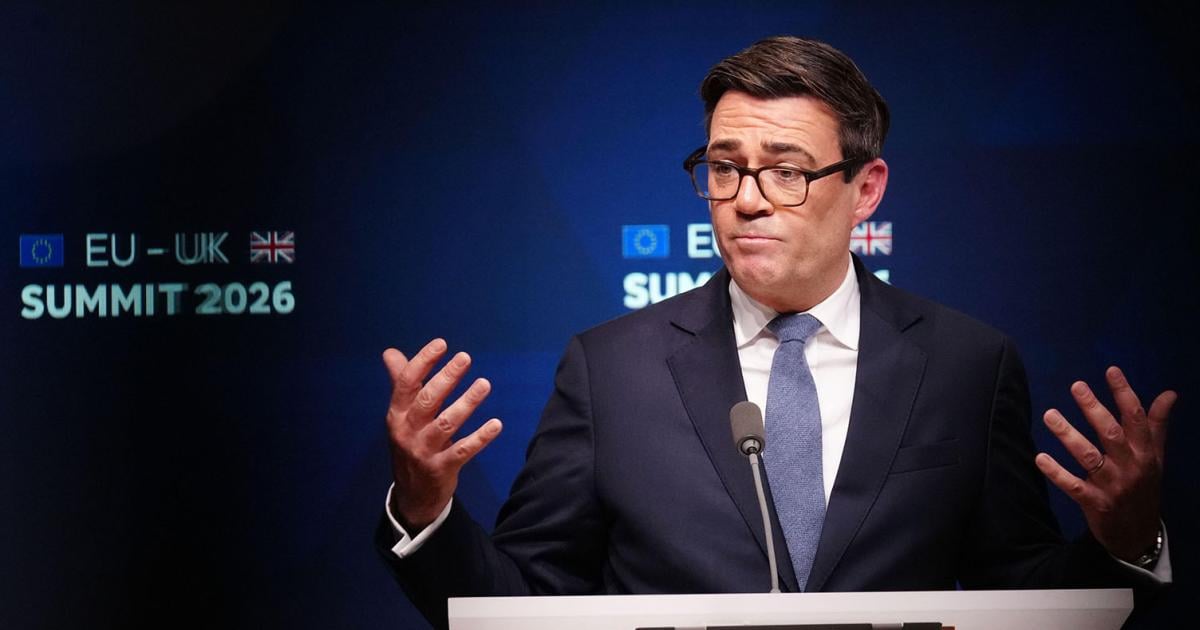
- On 20 November 2026 the UK and the EU finished a summit in Brussels with deals on food and farm trade, linked carbon markets, and a youth scheme.
- The UK explainer says the food area will use dynamic alignment, so rules there stay in step, in order to cut trade barriers and open chances for young people.
- University tuition fees for EU students are not settled; a further agreement is expected within six months. Reuters GOV.UK Reuters After Brexit, food crossing the Channel needed certificates and checks, so exporters paid more and waited longer. The new common area is built to drop most of that from March 2028, so farms and shops could face lower costs if the plan works as described. Carbon border charges were set to hit steel and aluminium both ways; linking the trading systems is meant to switch those charges off for each other, so heavy industry avoids a new bill. The youth scheme would let a capped number live abroad for a limited time, so more young people could work or study across the Channel without open-ended free movement.
How the views differ
State media, independent media and top voices on X
Pro-reset ministers and European leaders who want practical cooperation short of EU membership
Supporters treat the summit as the repair job businesses asked for.
Fewer food checks and a mutual carbon exemption are sold as cash and certainty for agri-food and heavy industry.
The youth places are sold as a lift in life chances inside a cap, not a return to membership. Consultation without a vote in EU institutions is their line on sovereignty: neighbours can align where it pays, and still stay outside the club.
- theguardian.com (Ind.)
- reuters.com (Ind.)
- gov.uk (St.)
- bbc.com (St.)
- irishtimes.com (Ind.)
- aljazeera.com (St.)
Sovereignty-first Brexit critics who oppose taking EU rules
Critics accept that paperwork may fall, and still say the price is control.
Dynamic alignment, in their reading, puts the UK inside the single market for farm goods without a vote, which they say crosses Brexit red lines drawn to stop rule-taking.
A youth scheme of 100,000 each way looks to them like free movement under another name, even with a cap and an end date. They also warn that staying in step on food rules can shrink room to diverge, including on gene editing or imports from outside the EU, and that published benefit figures do not price that loss of flexibility.
- instituteforgovernment.org.uk (Ind.)
- agenceurope.eu (Ind.)
- inews.co.uk (Ind.)
The summit and the three agreements are confirmed by the UK government’s explainer and by Reuters, the Guardian and the BBC: food controls ease from March 2028, carbon markets link from 2028 with mutual border-charge relief, and the youth scheme is capped at 100,000 each way, ages 18–31, up to three years, and not required before January 2030. Dynamic alignment in the food area is in the official explainer, so critics are pointing at a real feature, not a rumour.
Grey areas. Ask to dive deeper
Grok checks every side again and answers with sources.
Popular questions
Ask anything about this story. It's free with an account, 1 a week.
- 23 June 2016
UK holds referendum on membership of the European Union.
- 31 January 2020
United Kingdom withdraws from the European Union.
Coverage
11 sources · 3 countries
- State-funded 7
- Independent 4
GBUSQA
All sources
- Reuters (independent)On 20 November 2026 the UK and the EU finished a summit in Brussels with deals on food and farm trade, linked carbon markets, and a youth scheme. The UK explainer says the food area will use dynamic alignment, so rules there stay in step, in order to cut trade barriers and open chances for young people. University tuition fees for EU students are not settled; a further agreement is expected within six months. Reuters GOV.UK ReutersState-funded · United Kingdom
- GOV.UK (UK government/official)On 20 November 2026 the UK and the EU finished a summit in Brussels with deals on food and farm trade, linked carbon markets, and a youth scheme. The UK explainer says the food area will use dynamic alignment, so rules there stay in step, in order to cut trade barriers and open chances for young people. University tuition fees for EU students are not settled; a further agreement is expected within six months. Reuters GOV.UK ReutersState-funded · United Kingdom
- reuters.comOn 20 November 2026 the UK and the EU finished a summit in Brussels with deals on food and farm trade, linked carbon markets, and a youth scheme. The UK explainer says the food area will use dynamic alignment, so rules there stay in step, in order to cut trade barriers and open chances for young people. University tuition fees for EU students are not settled; a further agreement is expected within six months. Reuters GOV.UK ReutersIndependent · United Kingdom
- The Guardian (independent)A common food area lets most animals, plants and products such as sausages, cheese and seeds move without today’s certificates and controls from March 2028. Reuters GuardianState-funded · United Kingdom
- BBC News (UK public/state-funded)UK Prime Minister Andy Burnham called the package a “historic moment” and a “win-win”; EU Commission President Ursula von der Leyen called it a “big success” and a “turning point.” BBC CNNState-funded · United Kingdom
- cnn.comUK Prime Minister Andy Burnham called the package a “historic moment” and a “win-win”; EU Commission President Ursula von der Leyen called it a “big success” and a “turning point.” BBC CNNState-funded · United States
- The Irish Times (independent)Sources: Reuters; GOV.UK; The Guardian; BBC News; The Irish Times; Al JazeeraState-funded
- Al Jazeera (independent)Sources: Reuters; GOV.UK; The Guardian; BBC News; The Irish Times; Al JazeeraState-funded · Qatar
- Institute for Government (independent)“Opponents are arguing that these breach the UK’s red lines by effectively moving us inside the single market for agricultural goods, that the UK has become a rule taker... and the YES is tantamount to freedom of movement through the backdoor.” — Institute for Government analysis Institute for GovernmentIndependent · United Kingdom
- SourcesSources: Institute for Government (independent think tank) ; Agence Europe (EU-focused reporting) ; iNews (independent) .Independent
- SourcesSources: Institute for Government (independent think tank) ; Agence Europe (EU-focused reporting) ; iNews (independent) .Independent · United Kingdom