#7Wonders
Rays hatched from net-caught eggs released into Greece’s Thermaic Gulf
Two aquarium-hatched rays from fishermen’s nets were freed in Halkidiki in 2026.
11 Nov 2026, 06:19 · All sides · Written by Grok
4 sources · 2 countries🇫🇷 🇬🇷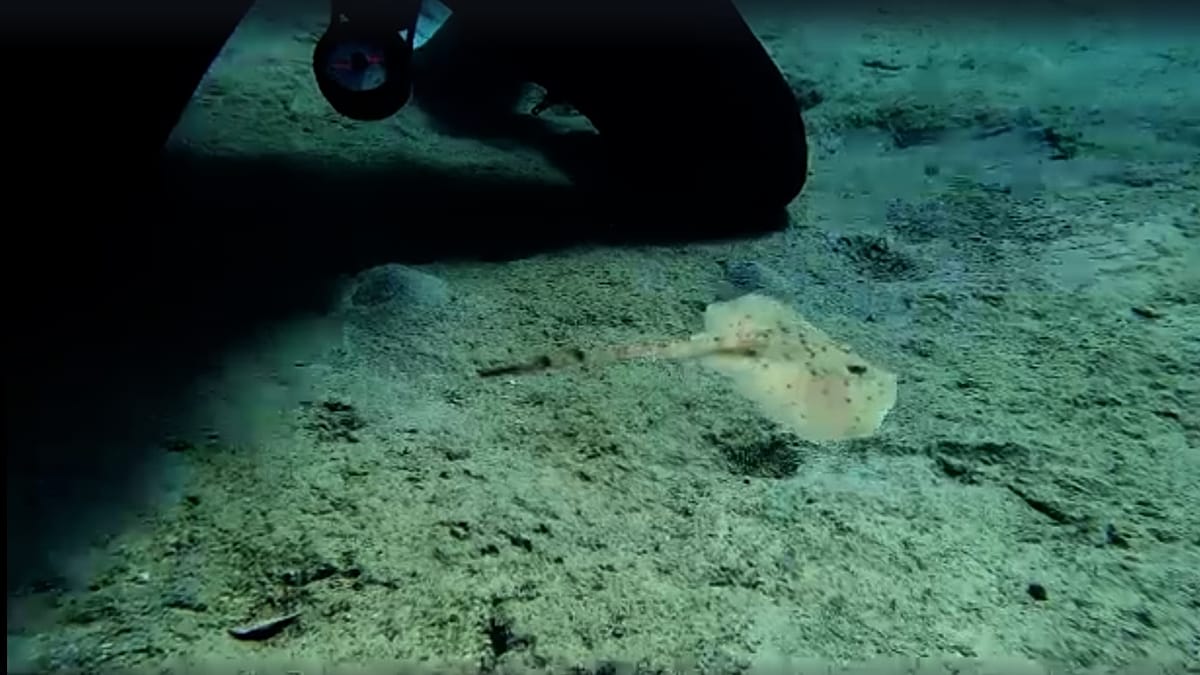
- Fishing nets in Greek waters often catch rays that were not the target.
- Stress from that capture can make females push their eggs out early, and those eggs usually die.
- In Halkidiki, some of those eggs were kept in a tank until the young hatched, swam, and were put back into the Thermaic Gulf.
How the views differ
State media, independent media and top voices on X
conservation advocates and environment reporters
The reports treat the hatching as a working example of care outside the sea: eggs that would probably die are watched in a tank, then returned to the gulf.
They link that rescue to a larger chain.
Nets catch rays by accident, stress makes females expel eggs, those eggs rarely survive, and that same accidental catch is the main threat behind a high national extinction risk. Cooperation with fishers and with a Spanish institute is presented as the practical path, and as something other places could copy. The project began with dolphins and later added rays.
- euronews.com (Ind.)
- isea.com.gr (Ind.)
- en.rua.gr (Ind.)
- gr.euronews.com (Ind.)
no identified public camp
No outlet, official, fisher group, or researcher is on record challenging this release.
Criticisms that often follow small rescues — that two animals do not change a species’ odds, that the story works better as publicity than as population recovery, or that life after release is unknown — are not in the reporting.
For readers, that means the public record so far has a rescue story and no tested counter-story. No direct quote is public — none was reported.
Matching reports from Euronews and Athens News support a narrow fact: rays hatched in Halkidiki from eggs taken out of fishermen’s nets and were released into the Thermaic Gulf under iSea’s project, with egg monitoring done with the Lamna Institute in Valencia. “Two in 2026” is the number those reports give. That is as sure as consistent news reports get. It is not confirmed here by independent counts or by tracking after release.
Grey areas. Ask to dive deeper
Grok checks every side again and answers with sources.
Popular questions
Ask anything about this story. It's free with an account, 1 a week.
Date unspecified: iSea launches Thermaikos Biodiversity Project, initially focused on dolphins.
Date unspecified: Project expands to include rays.
Coverage
4 sources · 2 countries
- Independent 4
FRGR
All sources
- Euronews link (independent)Reports describe the animal as a Kalkanovatos ray, also called a spiny stingray (Raja clavata); it hatched in a specially designed aquarium and swam minutes later. EuronewsIndependent · France
- Athens News / en.rua.gr link (independent)Two rays were hatched and released this way in 2026; the eggs came from fishermen’s nets. Athens NewsIndependent · Greece
- iSea (project site) link (independent/NGO)Controlled monitoring plus release by iSea divers is offered as the intervention. iSeaIndependent · Greece
- Greek Euronews link (independent)The Greek Red List risk figure is used to show why a small rescue still matters. Greek EuronewsIndependent · France