#9Culture
King Charles calls the slave trade a “monstrous injustice” but makes no apology
At the Antigua summit he voiced horror and sorrow, and did not mention reparations.
4 Nov 2026, 08:05 · All sides · Written by Grok
9 sources · 3 countries🇬🇧 🇦🇺 🇩🇪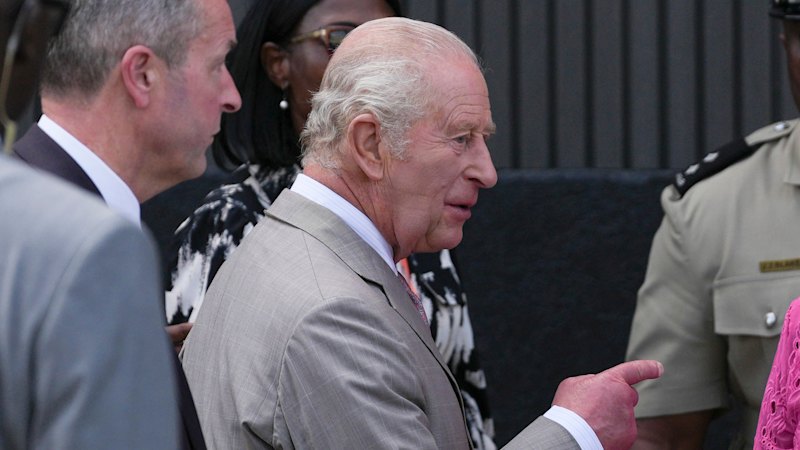
- King Charles III opened the Commonwealth Heads of Government Meeting in St John’s, Antigua and Barbuda, on 3 November 2026.
- He described the transatlantic slave trade in personal, severe terms.
- He did not issue a formal apology, and he did not mention reparations.
How the views differ
State media, independent media and top voices on X
British commentary that wants abolition remembered and payouts refused
Supporters treat the speech as personal and balanced, not evasive.
It names slavery as a monstrous injustice and a cause of deep sorrow.
It also puts Britain’s later fight to stop the trade, above all the Royal Navy’s role, in the same story, and treats education, jobs, trade, and climate help as the serious reply.
- thetimes.com (Ind.)
- @EWrightJournal (X)
Caribbean leaders and reparations campaigners
Critics do not deny the harsh language.
They say language is not the same as responsibility.
A formal apology, in their view, admits the wrong in the name of the state and the Crown. Reparations or restitution are how that admission becomes more than a speech, while they argue the harm did not end when the ships stopped.
- theguardian.com (Ind.)
- smh.com.au (Ind.)
- lbc.co.uk (Ind.)
What he said, and what he left out, is solid. BBC, the Guardian, The Times, the Sydney Morning Herald, and Deutsche Welle agree on the core: in St John’s on 3 November 2026 he called the transatlantic slave trade a shameful chapter and a monstrous injustice, said it fills him with horror and profound personal sorrow, and said it still casts a shadow. The same reports agree he issued no formal apology and did not mention reparations.
Grey areas. Ask to dive deeper
Grok checks every side again and answers with sources.
Popular questions
Ask anything about this story. It's free with an account, 1 a week.
1807: British Parliament passes the Slave Trade Act, prohibiting the transatlantic slave trade within the British Empire.
1833: British Parliament passes the Slavery Abolition Act, ending slavery in most British colonies.
Coverage
9 sources · 3 countries
- State-funded 5
- Independent 3
- X / on the ground 1
GBAUDE
All sources
- bbc.co.ukHe called it a “shameful chapter of history,” a “monstrous injustice,” and something that “fills my heart with horror and my soul with the most profound personal sorrow,” and said it still “casts a shadow” over the Commonwealth. BBC GuardianState-funded · United Kingdom
- The Guardian (independent) .He called it a “shameful chapter of history,” a “monstrous injustice,” and something that “fills my heart with horror and my soul with the most profound personal sorrow,” and said it still “casts a shadow” over the Commonwealth. BBC GuardianState-funded · United Kingdom
- The Times (independent) .He said “evil need not have the last word,” credited the Royal Navy with a leading role in ending the international trade in enslaved people, and pledged education, jobs, intra-Commonwealth trade, and climate resilience. The Times Sydney Morning HeraldIndependent
- Sydney Morning Herald (independent) .He said “evil need not have the last word,” credited the Royal Navy with a leading role in ending the international trade in enslaved people, and pledged education, jobs, intra-Commonwealth trade, and climate resilience. The Times Sydney Morning HeraldIndependent · Australia
- bbc.co.ukA Buckingham Palace spokesperson had said he would speak with “unflinching honesty, sincere sorrow and respect for the wider discussions.” BBCState-funded · United Kingdom
- lbc.co.ukAntigua and Barbuda Prime Minister Gaston Browne called for reparations or restitution alongside any apology, and said he personally supports Antigua becoming a republic. LBCIndependent · United Kingdom
- @EWrightJournalSources: The Times; UK front pages stressing Britain’s role in ending the trade, including Daily Mail coverage described in that reporting; E. Wright on XX / on the ground
- Deutsche Welle (German public broadcaster) .What he said, and what he left out, is solid. BBC, the Guardian, The Times, the Sydney Morning Herald, and Deutsche Welle agree on the core: in St John’s on 3 November 2026 he called the transatlantic slave trade a shameful chapter and a monstrous injustice, said it fills him with horror and profound personal sorrow, and said it still casts a shadow. The same reports agree he issued no formal apology and did not mention reparations. He did say evil need not have the last word, credited the Royal Navy with a leading role in ending the international trade, and pointed to education, jobs, intra-Commonwealth trade, and climate resilience. BBC DW The IndependentState-funded · Germany
- The Independent (independent) .What he said, and what he left out, is solid. BBC, the Guardian, The Times, the Sydney Morning Herald, and Deutsche Welle agree on the core: in St John’s on 3 November 2026 he called the transatlantic slave trade a shameful chapter and a monstrous injustice, said it fills him with horror and profound personal sorrow, and said it still casts a shadow. The same reports agree he issued no formal apology and did not mention reparations. He did say evil need not have the last word, credited the Royal Navy with a leading role in ending the international trade, and pointed to education, jobs, intra-Commonwealth trade, and climate resilience. BBC DW The IndependentState-funded · United Kingdom